
 Global Hotline
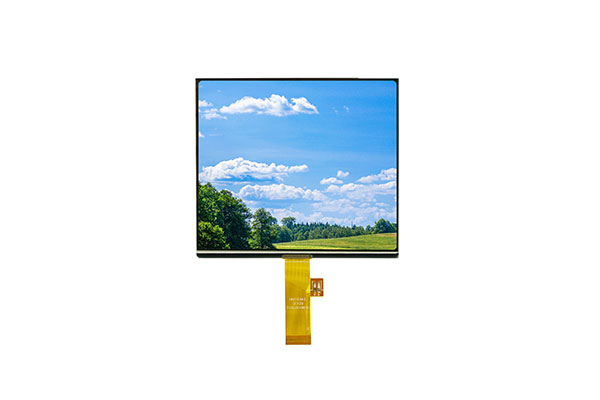
In a product development project, the display is often more than just a component added at the final stage. It can affect the product structure, user experience, appearance, and long-term stability. Many customers start by looking for a standard display, but once they move into structural design and prototype testing, they may find that the standard size, interface, brightness, or installation space does not fully match their product requirements. This is why more and more projects choose custom display solutions.
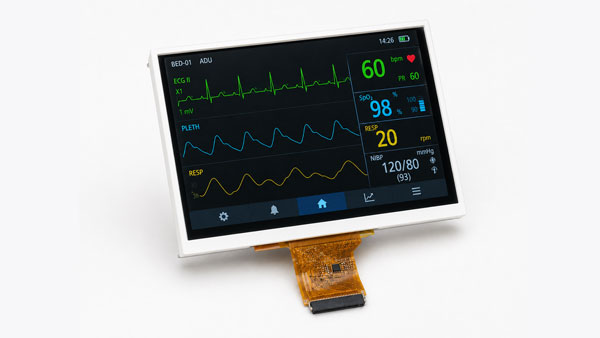
The first step in choosing a custom display is not to focus only on price or size, but to understand the product itself. Where will the product be used? What content needs to be shown? Under what lighting conditions will users operate it? Does the device need to run for long periods of time? These questions will influence the choice of brightness, viewing angle, resolution, operating temperature, backlight lifetime, and overall reliability.
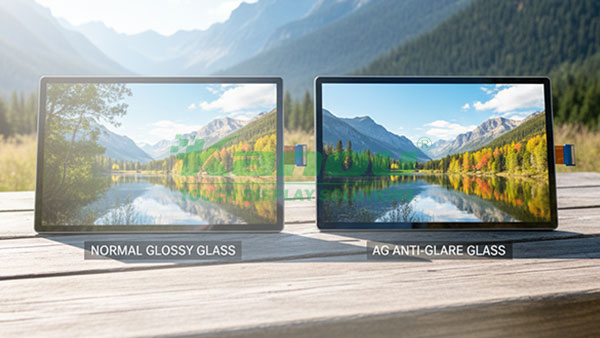
For example, an LCD display used in an indoor control panel may focus more on display clarity, power consumption, and cost balance. A display used in outdoor or strong-light environments may require higher brightness, wider viewing angles, and surface treatments such as anti-glare or anti-reflective coating. For industrial display projects, stability is often more important than a single specification. A good display effect is only the foundation; stable performance during long-term use is what the project truly needs.
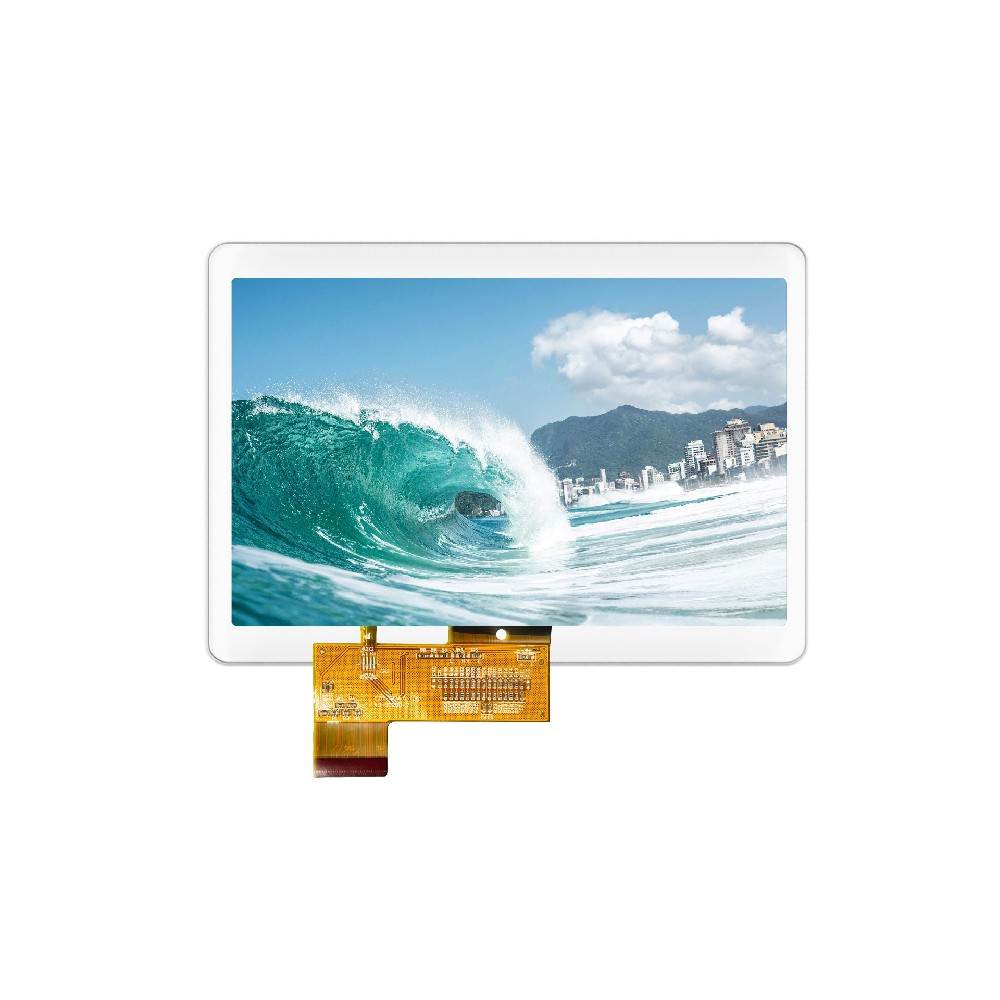
Structural fit is another important factor that is often overlooked when selecting a custom display. Display size, outline dimensions, thickness, active area, FPC position, connector direction, and installation method can all affect the final product design. If these details are not confirmed in the early stage, problems such as cable conflict, limited housing space, mismatched openings, or assembly difficulty may appear later. Providing structural drawings, housing requirements, or prototype information at the beginning of the project can help the display supplier evaluate the feasibility of the solution more accurately.
The interface also needs to be confirmed early. Common display interfaces include RGB, LVDS, MIPI, SPI, and MCU. Different interfaces are suitable for different display sizes, resolutions, and main control platforms. If the interface is not properly matched, the debugging time and development cost may increase. A mature custom LCD display solution should consider not only display performance, but also mainboard compatibility, driver support, and mass production stability.
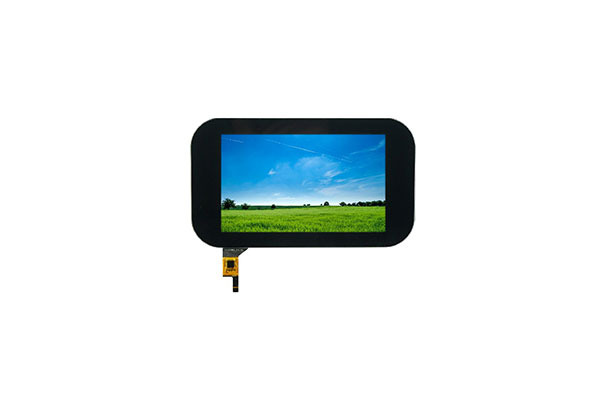
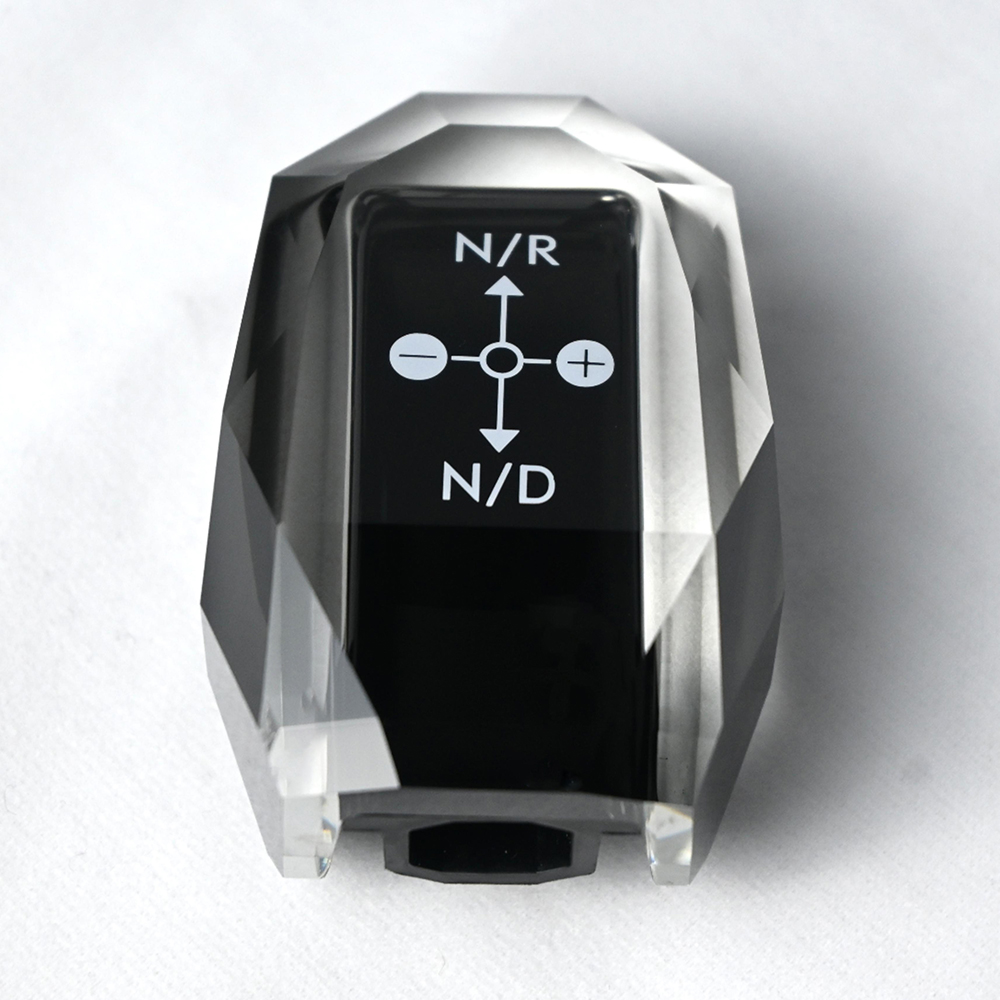
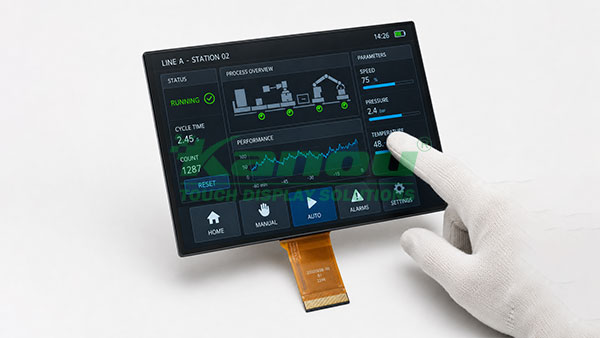
If the product requires touch operation, the touch display module also needs to be carefully selected. Capacitive touch is suitable for most modern control panels and smart terminals, offering a clean appearance and smooth operation experience. Resistive touch still has value in some industrial environments. Details such as cover glass material, thickness, silk printing color, opening position, anti-fingerprint treatment, and anti-glare surface can also affect the final appearance and user experience.
For buyers, choosing a custom display supplier should not be based only on price. It is more important to consider whether the supplier can understand the project requirements, provide practical suggestions in the early stage, support sample development, assist with structural matching, conduct testing and verification, and ensure stable batch delivery. A custom display project is not simply about buying a screen. It is about making the display solution truly fit the product.
Kanou Display focuses on custom LCD displays, industrial displays, touch display modules, and cover glass customization. Based on each customer’s structural size, application environment, interface requirements, and functional needs, we provide suitable display solutions. From early communication and solution evaluation to sample confirmation and mass production, we aim to help customers reduce repeated modifications and make the display work better within the final product.
If your project is looking for a suitable custom display solution, Kanou Display can help you start from real application needs and select a display module that is more stable, more suitable, and easier to move into mass production.
E-mail:raymond.chew@kanouprecision.com
Add:12 Woodlands Square #09-76,Woods Square Tower 1,Singapore 737715
Factory Add:No.46 Hongfeng Road, Chang'an Town
Dongguan City, Guangdong, China